Cemex Bargaining Orders Survive Two Appeals But Cemex Fate Remains Insecure
June 30, 2026 | By: Edward J. Bonett, Jr., Esq., Patrick W. McGovern, Esq.
In a decision long-awaited by the labor community, the Ninth Circuit opted to punt rather than go for the big play in Cemex Construction. On April 21, 2026, the court declined to tackle head on the NLRB’s August 2023 seismic change to the laws governing labor organizing. Instead, the court approved the NLRB’s order requiring the company to bargain with the Teamsters, relying on long-established legal precedent set by the Supreme Court in NLRB v. Gissel Packing Co. (1969), without approving or rejecting the Cemex holding. As a result, the Cemex decision lives on as of this writing.
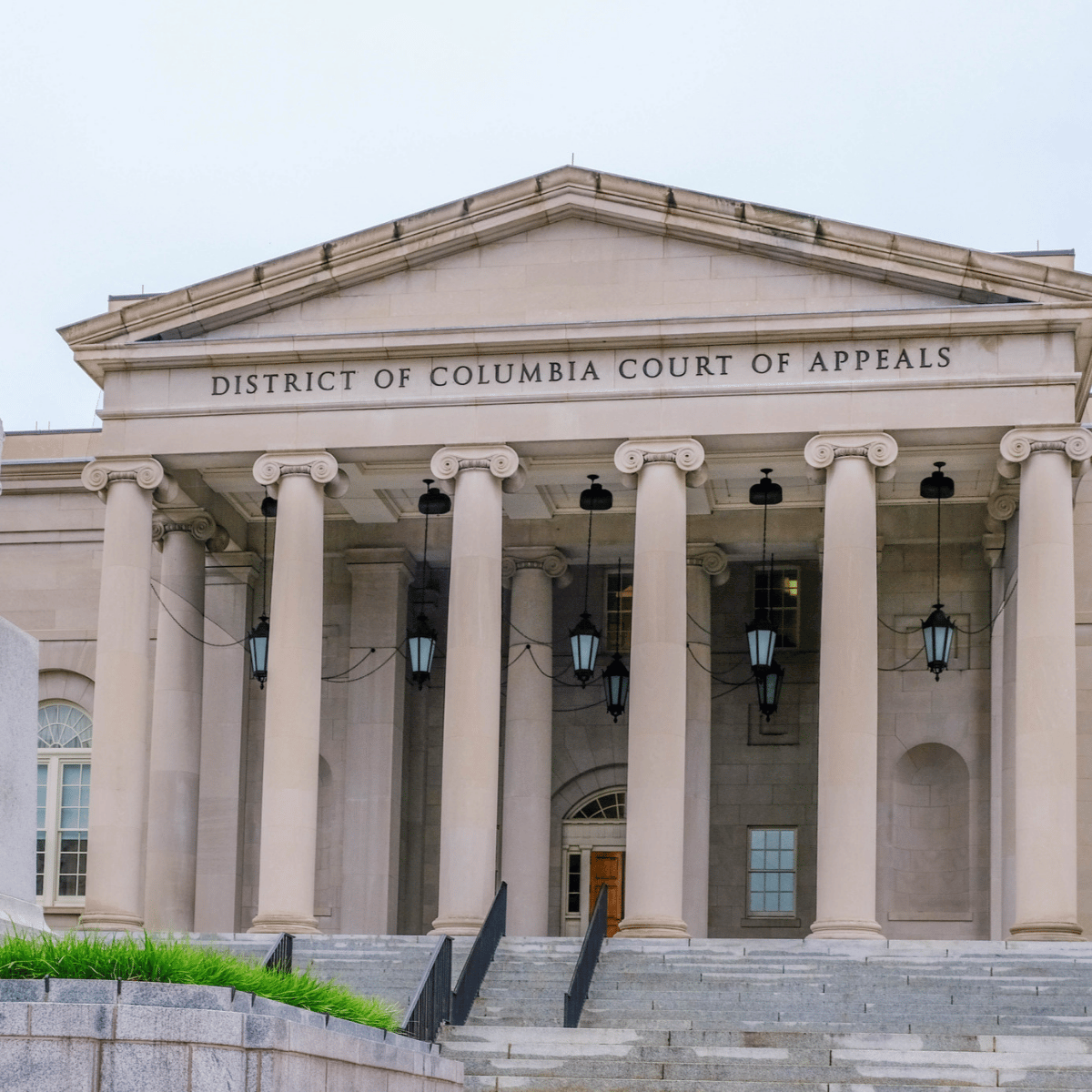
Similarly, on June 10, the D.C. Circuit Court of Appeals declined an employer request to reject the NLRB’s Cemex decision and overturn a bargaining order against the company, choosing instead to uphold the bargaining order on alternate Gissel grounds. Red Rock LLC v. NLRB. These cases demonstrate that Cemex, when applied strictly as a backstop to and not as a replacement for Gissel, may be sidelined but not sacked.
To recap the Cemex holding, in August 2023, the NLRB shifted the burden of requesting a union representation election to the employer once the union shows it has majority support through a card check process (employees’ signatures alone). Under Cemex, if an employer commits even a single unfair labor practice during an organizing campaign, the employer risks losing the right to a secret ballot election and facing an order to bargain with the union based on employee signatures alone. The Cemex test is an easier path to union recognition than the Gissel test, which applies when a union loses an election despite proof that it previously had workers' support, and the employer commits serious labor law violations that prevent a fair, second election.
Since Cemex, the Board has issued at least three Cemex-type orders. In March 2026, a Sixth Circuit panel rejected the Cemex test in Brown-Forman, sharply slamming it as a departure from Gissel and as improperly implemented by decision-making rather than rulemaking. On June 23, 2026, the Sixth Circuit declined to review the panel decision. The second case is Red Rock LLC, which as described above reached the D.C. Circuit. A third Board decision has not reached the appeals court yet.
Practitioners on both sides of the labor bar were hoping the Ninth Circuit would either eject Cemex completely or endorse it. Since the court did neither, while other Appeals Courts may criticize or skirt Cemex, only a direct broadside on Cemex itself will determine its long-term fate. Even then, the NLRB may decide not to follow a decision by a Court of Appeals. Absent Supreme Court review of the Cemex decision, it now falls to the Board to decide whether to follow or overturn Cemex. The seed for further Board review may have been planted recently when an Administrative Law Judge upheld a Cemex bargaining order against Amazon’s San Francisco warehouse which declined to file for a representation election despite signed union authorization cards showing majority support. This case will surely wend its way up on appeal. In the meantime, President Trump’s nomination of a third Republican member of the NLRB, if approved by the Senate, will give the Board the quorum it needs to overturn Cemex if it so chooses and other significant precedents issued by the Biden Board.
Should you have any questions, please contact Partners Edward J. Bonett, Jr., Esq. at 908.546.6991 or via email here, Patrick W. McGovern, Esq. at 973.535.7129 or via email here, or any Partner in our firm’s Labor Law Practice Group.
Tags: Genova Burns LLC • Edward J. Bonett, Esq. • Patrick W. McGovern • NLRB • Unions • Third Circuit Court of Appeals • NLRB • National Labor Relations Board • Ninth Circuit • Supreme Court